
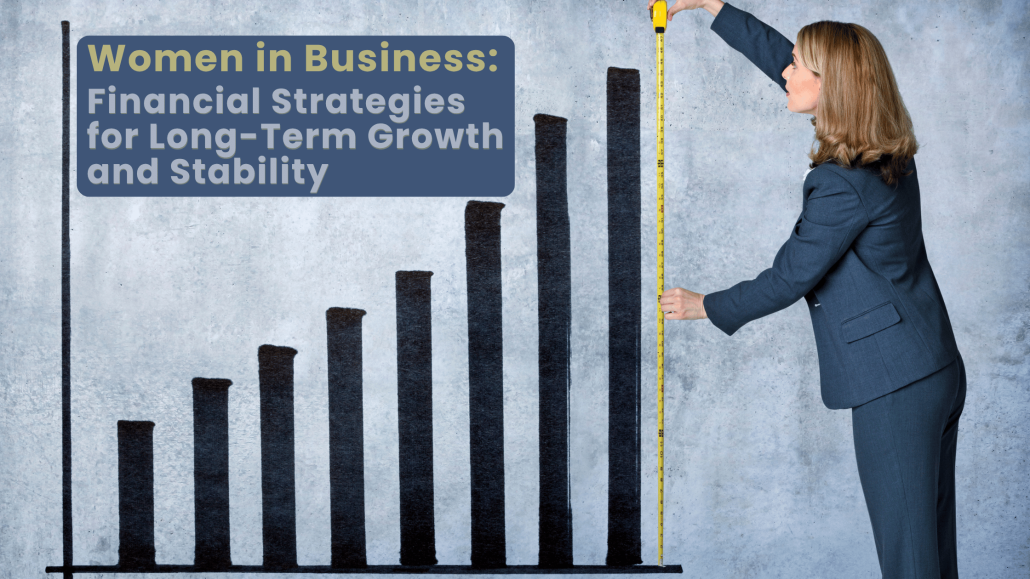
 Women-owned businesses continue to play a significant role in the U.S. economy, accounting for approximately 40% of all businesses nationwide and generating trillions of dollars in annual economic activity. Yet despite this growth, many business owners face a common challenge: building a business that remains financially strong for the long term.
Growth is exciting, but sustainable success requires more than increasing sales. It requires thoughtful financial planning, strong leadership, and consistent decision-making that supports both profitability and stability.
Focus on Profitability, Not Just Revenue
Many business owners measure success by revenue growth. While increasing sales is important, revenue alone does not tell the full story.
A business can increase revenue significantly while still struggling financially if expenses are growing faster than income. As companies expand, payroll, software subscriptions, marketing costs, insurance premiums, and operational expenses often increase as well.
Regularly reviewing key financial metrics can help business owners understand the true health of their company. Some of the most valuable metrics include:
- Gross profit margin
- Net profit margin
- Operating expenses as a percentage of revenue
- Accounts receivable aging
- Cash reserves
- Revenue by service line or product category
Many business owners are surprised by what they discover when they begin reviewing these numbers consistently. A monthly financial review, even a brief one, can often reveal trends that deserve attention before they become larger concerns.
Build a Cash Reserve Before You Need It
Cash flow challenges are one of the most common reasons businesses experience financial stress.
Even profitable companies can struggle if cash is not available when expenses come due. Unexpected equipment repairs, delayed customer payments, seasonal slowdowns, or economic uncertainty can quickly create pressure on operations.
Many financial professionals recommend maintaining several months of operating expenses in reserve. While the exact amount varies by industry and business model, having dedicated cash reserves provides flexibility and helps reduce reliance on debt during difficult periods.
A strong cash position also allows business owners to take advantage of growth opportunities when they arise. Building reserves does not always happen overnight. In many cases, it starts with setting aside a small percentage of revenue consistently and treating those funds as part of the business’s long-term financial strategy.
Make Tax Planning Part of Your Growth Strategy
As businesses grow, tax planning becomes increasingly important.
Many owners focus on taxes only during filing season, but some of the most valuable tax-saving opportunities occur throughout the year. Decisions related to retirement contributions, equipment purchases, business structure, compensation strategies, and estimated tax payments can all affect overall tax liability.
Proactive tax planning can help:
- Improve cash flow
- Reduce unexpected tax bills
- Maximize available deductions
- Support long-term financial goals
- Create greater predictability throughout the year
The most effective tax planning conversations often happen before major business decisions are made, not after. Reviewing your tax strategy periodically throughout the year can provide opportunities that may no longer be available once tax season arrives.
Invest in Yourself as a Leader
Business growth often requires leadership growth.
As organizations expand, owners frequently move from doing the work themselves to managing employees, overseeing operations, and making strategic decisions. This transition can be challenging without the right support and development.
Investing in professional development, mentoring, leadership training, or business coaching can strengthen decision-making skills and improve confidence when navigating growth opportunities.
Strong businesses are often built by leaders who are committed to continuous learning and improvement. Setting aside time each year for professional growth can create benefits that extend far beyond the individual and positively impact the entire organization.
Don’t Neglect Long-Term Personal Financial Planning
Many entrepreneurs spend years reinvesting every available dollar back into their business. While reinvestment can fuel growth, it is important not to overlook personal financial goals.
Retirement planning should be part of every business owner’s long-term strategy. Options such as SEP IRAs, Solo 401(k)s, and employer-sponsored retirement plans may provide both tax advantages and opportunities to build wealth outside of the business itself.
Business owners often focus heavily on building company value, but long-term financial stability is strongest when personal financial planning grows alongside the business. Periodically reviewing retirement goals and contribution strategies can help ensure future financial security remains a priority.
Build a Team of Trusted Advisors
Successful business owners rarely make every major decision alone.
As a business grows, having access to experienced advisors becomes increasingly valuable. A trusted CPA, attorney, banker, financial advisor, or business coach can provide perspective and expertise that helps avoid costly mistakes.
The right advisory team can help business owners evaluate opportunities, navigate challenges, and develop strategies that support sustainable growth.
As businesses evolve, it can be worthwhile to periodically assess whether your current advisory team aligns with your future goals. The challenges faced by a startup are often very different from those faced by an established, growing company.
Sustainable Growth Starts with Intentional Decisions
Long-term success is rarely the result of one major breakthrough. More often, it comes from consistently making informed decisions over time.
Businesses that remain strong through changing markets and economic conditions tend to have a few things in common. They understand their numbers, maintain healthy cash reserves, plan proactively for taxes, invest in leadership development, and prioritize both business and personal financial health.
For women entrepreneurs, building a successful business is about more than generating revenue. It is about creating an organization that provides stability, flexibility, and long-term value for years to come. Taking time to review these areas regularly can help create a stronger foundation for sustainable growth and future opportunities.

