
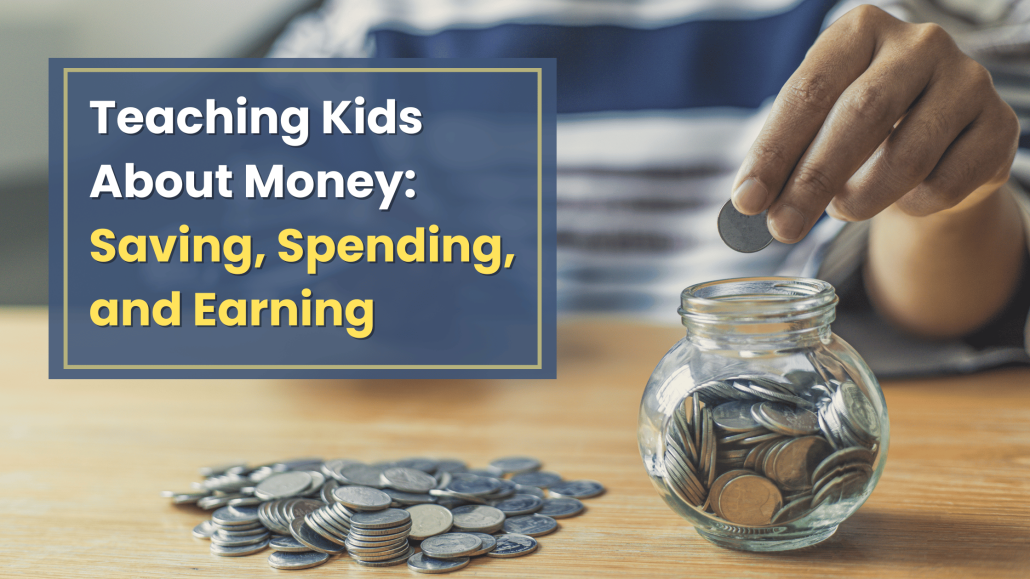
Most financial habits are not learned in adulthood. They start much earlier, often shaped by small moments at home. How a child understands saving, spending, and earning can influence how they manage money for the rest of their life.
The good news is that financial literacy does not require complicated lessons. It is built through everyday experiences, consistent conversations, and opportunities to practice.
Start with the Basics: What Money Is and How It Works
Before kids can manage money, they need to understand what it represents. For younger children, this can be as simple as explaining that money is earned through work and used to pay for needs and wants.
As they grow, these conversations can expand to include how money moves, how choices affect spending, and why planning matters. Keeping explanations simple and relatable helps build confidence rather than confusion.
Teach Saving in a Way They Can See
Saving is often the first financial habit children learn, and visual tools make it easier to understand.
Using clear jars, labeled envelopes, or simple tracking charts allows kids to see their progress over time. Whether they are saving for a toy or a bigger goal, the act of watching money accumulate reinforces patience and planning.
Parents can also introduce the idea of short-term versus long-term goals, helping children understand that some purchases require time and consistency.
Introduce Spending with Intention
Spending is where decision-making begins. Instead of controlling every purchase, allow children to make choices within boundaries.
When kids have the opportunity to decide how to use their money, they begin to understand trade-offs. Choosing one item often means giving up another. These small decisions build awareness and responsibility.
It is also helpful to talk through purchases together. Asking simple questions like “Do you really want this?” or “What are you saving for?” encourages thoughtful spending without pressure.
Create a Simple Budgeting Habit
Budgeting does not need to be complex to be effective. A basic structure such as dividing money into categories like saving, spending, and giving introduces the core idea of managing money with intention.
This approach helps children see that money has different purposes and that planning ahead creates more flexibility.
As children get older, this can evolve into tracking income and expenses, setting goals, and adjusting decisions based on priorities.
Connect Money to Earning
One of the most important lessons is understanding that money is earned.
This can start with small tasks at home or opportunities to earn money through additional responsibilities. The goal is not just to reward effort, but to connect work with income in a meaningful way.
For older kids, this might include small business ideas such as selling handmade items, offering services in the neighborhood, or managing a simple project. These experiences introduce the concept of entrepreneurship in a practical and engaging way.
Encourage an Entrepreneurial Mindset
Entrepreneurship does not have to mean starting a formal business. It can begin with creativity, problem-solving, and initiative.
Encourage kids to think about ways they can create value for others. This could be as simple as organizing a small project, helping others with tasks, or turning a hobby into an opportunity to earn.
These experiences help build confidence, independence, and a stronger understanding of how money flows.
Make Money Conversations Ongoing
Financial literacy is not a one-time lesson. It develops over time through consistent exposure and conversation.
Involving children in everyday financial decisions such as grocery shopping, comparing prices, or planning for larger purchases helps reinforce what they are learning.
These moments do not need to be formal. Often, the most effective lessons happen naturally when children feel included and engaged.
Build Confidence Through Practice
Children learn best by doing. Giving them opportunities to manage small amounts of money, make decisions, and learn from outcomes builds real confidence.
Mistakes are part of the process. When they happen, they provide valuable learning experiences that are far easier to navigate at a young age than later in life.
Over time, these small lessons build a foundation that supports stronger financial habits in adulthood.
Helping children understand money is one of the most valuable life skills you can pass on. By starting early and keeping the approach simple, you give them the tools to make thoughtful decisions, adapt to challenges, and approach their financial future with confidence.

